
Someone school me

Here's what a cursory search turned up.

Caliber markings on these H&R revolvers indicate it was made after 1908 and is rated for smokeless powder. Black powder H&R revolvers did not have caliber markings.

The grips are not original to the gun. Probably put on by someone in the past trying to pass it off as a S&W.

The patent date markings on the top of the barrel indicate it is a Second variation, made between 1909 and 1912.

Midway has ammo for it. Other internet sources as well.

Chamber pressure for the 38 S&W is in the same ball park as other revolver cartridges from the late 19th Century that started out as black powder and made the transition to smokeless. Factory ammo pressure levels are kept low to be safe in early black powder rated guns.

So, clean it up, load it up and have some fun with it.
 
38 S&W is a really low powered round. Bullets sticking in the barrel was a thing with them. I would check the bore for rings which is a sign someone fired a round on top of a round. Measure the gap between the cylinder and barrel and how much slop there is. I don't know the spec for these but I'm sure the info is out there. If it's tight enough and the chambers index on the barrel correctly, no reason not to shoot it.

If you can find ammo for it, they will be loaded really light because the guns that shoot it are really old and not in good condition.

I would strip it down completely to soak and clean the parts. I had an old revolver that developed a timing problem. A complete strip down and soaking seemed to fix it. WD-40 was a go to 30-40 years ago. That stuff developed a thin film on parts. My theory was that it was gumming up thing and making parts stick together that needed to slide. That pistol falls solidly in the WD-40 era.
 
Did some cleanup, stripping, scrubbing, scraping etc… I don’t see any “rings” as mentioned above from a round possibly getting stuck, any other unusual damage. When cycling it, the cylinder appears to line up with the bore. The trigger did not function at first. Felt as it it was locked up. After a good amount of disassembly, cleaning, lubricating, etc… it appears to work fine now. Actually feels pretty smooth. I see there are a combo of don’t shoot it, and shoot/enjoy it thoughts here. I may go buy some cheap, really low pressure ammo, lock it down in a pistol vice and fire a couple rounds “remotely” and see what happens. It surely isn’t in perfect shape, it is venture to say, it’s cleaned up to be a nice conversation piece for sure.

IMG_2775.jpeg
IMG_2776.jpeg
IMG_2777.jpeg
IMG_2779.jpeg
IMG_2780.jpeg
IMG_2781.jpeg
 
I see there are a combo of don’t shoot it, and shoot/enjoy it thoughts here. I may go buy some cheap, really low pressure ammo, lock it down in a pistol vice and fire a couple rounds “remotely” and see what happens. It surely isn’t in perfect shape, it is venture to say, it’s cleaned up to be a nice conversation piece for sure.
I am in the camp that a range report should be forthcoming. ;) As mentioned above, just about ANY commercial ammo you buy will be loaded light to avoid damage to older guns. I wouldn't go through the effort of trying to mount it in a vise. :rolleyes: Put your big boy pants on and maybe a welding glove if you are skeered. :)
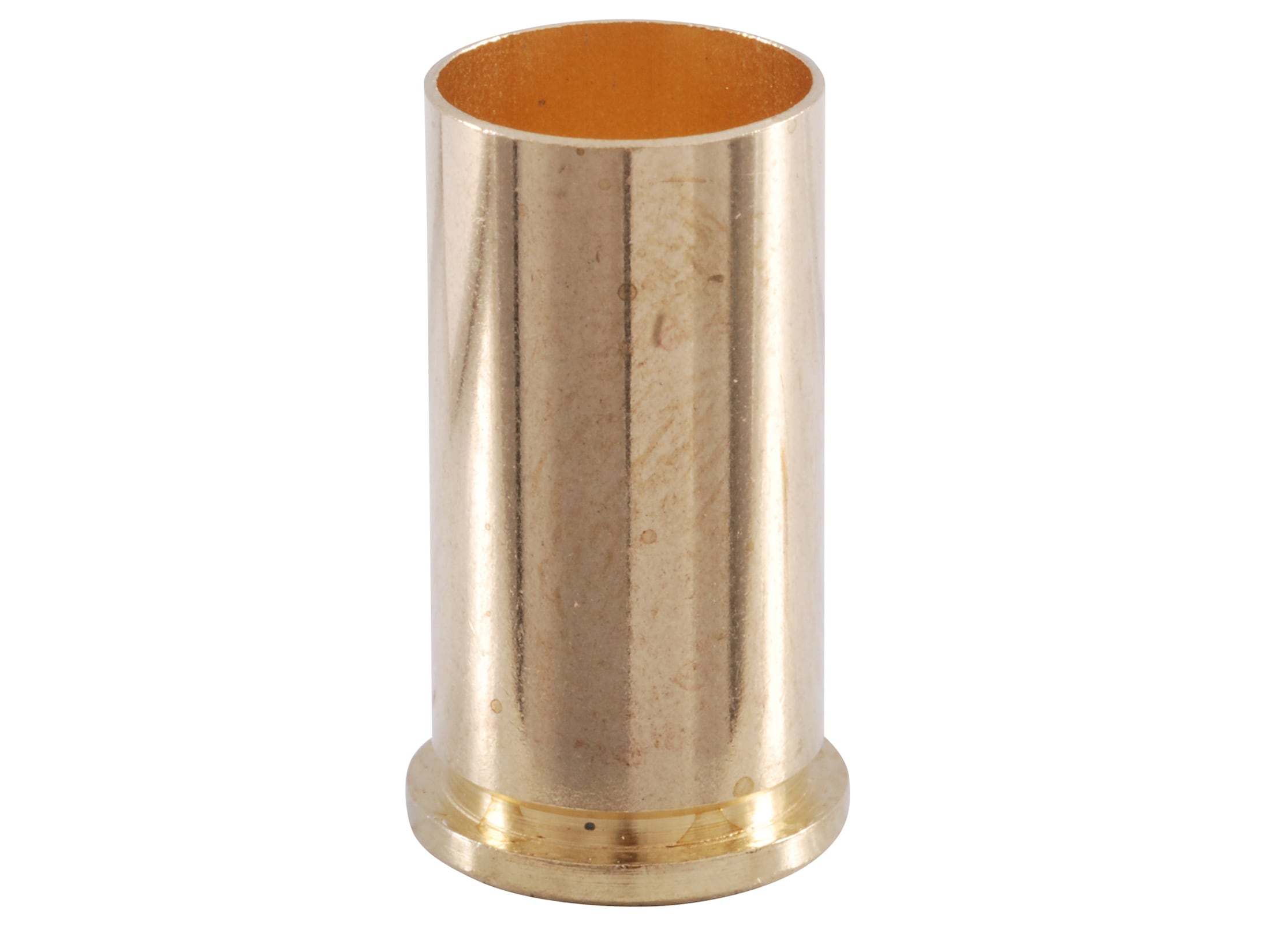
I wonder if EMPTY 38 Special cases would fit in the cylinder. :unsure: That way you can test function more completely.
Apparently they don't so don't...
 
Last edited:
To test the indexing of the cylinder, cock the hammer and dry fire it, keep the trigger back. Using a cleaning rod with just the square end, no accessories screwed on, run it down the barrel flat to the bore and see if it snags on the chamber. Do this top, bottom, right and left side of the barrel. Do each chamber.

Some revolvers have to be cocked smartly. A slow gentle pull of the hammer doesn't give the cylinder enough inertia to spin all the way into place. You said you never shot a revolver before so forgive me for being very basic. I assume it is double action pistol which means you can cock and drop the hammer using the trigger. A single action pistol is like a cowboy gun, you have to cock the hammer with your thumb.

Being an old pistol, it may not have protections for dry firing. Don't do it any more than you have to to test.

There is nothing cheap about ammo for this. $32/box is the least expensive I've seen. Save the brass. Easy with a revolver because it doesn't fly away.
 
The 38 Special case length is 1.155".
38 S&W case length is .775".
The Special won't fit and let the action close.

As previously mentioned, these 19th Century revolver cartridges were all black powder at first. Pressures are kept low in factory ammo for that reason. None of them exceed 20K CUP. Most are much lower, in the mid teens.

By comparison, 9mm is 33K and 357 is 45K CUP. More than double/triple what the 38 S&W is at 13K CUP. This ties with 44-40 Win as the lowest pressure centerfire revolver cartridge.
Even the lowly 22LR is 19K-21K depending on the load.

NavyVet83 is a mechanic. He looks at everything with a mechanics eye for detail.
Examine the revolver closely for anything that doesn't look right. Any hairline cracks. Run you finger down the length of the barrel. If there is a bulge, you will feel it before you see it.

The tests that bkbrno mentions are to check cylinder timing.
Cock the hammer very slowly to full cock. listen for the bolt to drop into the cylinder notch. If you don't hear it, very gently rotate the cylinder the last little bit until the bolt drops into place. Check each chamber this way. If there are any that don't lock, it's not a big deal if the cylinder is just a tiny bit away from locking. As bkbrno noted, in actual use, inertia will take care of it. If it is more than a tiny bit, the revolver will have to be re-timed. Not terribly difficult to do yourself if you have some skills and aren't heavy handed.
 
To test the indexing of the cylinder, cock the hammer and dry fire it, keep the trigger back. Using a cleaning rod with just the square end, no accessories screwed on, run it down the barrel flat to the bore and see if it snags on the chamber. Do this top, bottom, right and left side of the barrel. Do each chamber.

Some revolvers have to be cocked smartly. A slow gentle pull of the hammer doesn't give the cylinder enough inertia to spin all the way into place. You said you never shot a revolver before so forgive me for being very basic. I assume it is double action pistol which means you can cock and drop the hammer using the trigger. A single action pistol is like a cowboy gun, you have to cock the hammer with your thumb.

Being an old pistol, it may not have protections for dry firing. Don't do it any more than you have to to test.

There is nothing cheap about ammo for this. $32/box is the least expensive I've seen. Save the brass. Easy with a revolver because it doesn't fly away.
Yeah very basic. But I like it. I’d rather have it explained as if I’m a kid over injuring myself due to lack of knowledge. Thank you. Once I crawl back out the bed I’ll mess with it some more and do this..
 
If you look at the cylinder, there are no notches for the lock. There is just a ramp. Most revolvers will jump into the notch if they are close enough. That's why I said to cycle it with purpose. There is nothing else to bring it home. Conjecture on my part based on revolver experience.

The only experience I have with these is a slightly newer Colt in 38 Colt. Very similar round. It has more modern features and doesn't have roots in the black powder era.

There is nothing about the 38 Special that makes it remotely similar to 38 S&W. Different case diameter, different rim, different bullet diameter, different pressure levels. It should stay out of the conversation other than to say don't even get 38 Special near the 38 S&W.
 
If you do shoot it. One big warning. Do not use a modern style of gripping the revolver. It puts your hand near the cylinder/barrel gap. I say this because an older gentleman was shooting his new revolver at the range. He was using a griping style he obviously saw on utube. I'm guessing the range master had seen this more than once and stopped him before he fired it. He showed him why not to do it and helped him with a proper grip. I was about to stop him but the range master got there first.

When I was a teenager, before utube and in an era where grown ups let you do stupid stuff to learn a lesson, I steadied a .357 with my left hand too close to this area. It does not feel good and I picked lead shavings out of my skin for weeks.
 
My load for the 38 S&W is 2.3 grains of Bullseye pushing the 148 grain
hollow base wad cutter. That load runs just under 700 FPS.

You can use 124 grain 9mm lead bullets in these guns.

My buddy is rebuilding an Iver Johnson version of the break top right now.

Midwayusa has Starline brass for sale right now.

 
If you do shoot it. One big warning. Do not use a modern style of gripping the revolver. It puts your hand near the cylinder/barrel gap. I say this because an older gentleman was shooting his new revolver at the range. He was using a griping style he obviously saw on utube. I'm guessing the range master had seen this more than once and stopped him before he fired it. He showed him why not to do it and helped him with a proper grip. I was about to stop him but the range master got there first.

When I was a teenager, before utube and in an era where grown ups let you do stupid stuff to learn a lesson, I steadied a .357 with my left hand too close to this area. It does not feel good and I picked lead shavings out of my skin for weeks.
So what is the proper grip for a revolver such as this? I dunno if it would be easier to explain it or post a picture? 🤷🏻‍♂️
 
Basically you grasp it in your shooting hand and have your off hand
cup the shooting hand with your non shooting hand thumb under the
shooting hands social finger.

That way none of your parts are by the cylinder to barrel gap. The
hot gasses ain't your friend.
 
Last edited:
I have something similar, but it is in a 32cal. Made in 1888, S&W made them in a 38 s&w too. Black powder brass cases. I wouldn't shoot this one with smokeless powder.
IMG_1729.JPG

IMG_1730.JPG

IMG_1731.JPG
 
Nice bicycle gun
That is what I thought when I first acquired it but after further inspection it turns out it is a five-inch barrel that was cut down to a
2-inches. The sight that should be pinned is glued in and crooked.
If it was an old bicycle gun it would be worth some money. Only a few 1000 were made but in a 5-inch it's not worth much. I have seen the 2-inch in really nice condition go for $3000. I would be luck to get $200 for it. What make it such a collectible to me is it was my dad's that he got from my granddad.
 
So what is the proper grip for a revolver such as this? I dunno if it would be easier to explain it or post a picture? 🤷🏻‍♂️
Cup and Saucer. Your grip hand is the cup, your support hand is the saucer. Or some variation of that. I manipulate the hammer with the support hand thumb but it is also good to practice one-handed. When I close the cylinder I like to assure the gun is clocked by spinning the cylinder slightly if needed.

The general consensus here is you NEED to get a box of ammo tomorrow. ;) You could call Academy or BassPro or someone like that to see if they had any on the shelf. It may even be the only box you ever buy. :)

Here is probably what will happen to that revolver. You'll get a box of ammo and shoot a cylinder or two. It will probably have "fair" accuracy at 21' but nothing impressive. You'll put it away and maybe break it out for a guest to shoot a cylinder with it. "Hey check out this old revolver someone gave me. Wanna try it?" Then you'll put it away again.
That was a carry piece back in the day but I think this day and age it is just a novelty... :)
 
Last edited:
Cup and Saucer. Your grip hand is the cup, your support hand is the saucer. Or some variation of that. I manipulate the hammer with the support hand thumb but it is also good to practice one-handed. When I close the cylinder I like to assure the gun is clocked by spinning the cylinder slightly if needed.

The general consensus here is you NEED to get a box of ammo tomorrow. ;) You could call Academy or BassPro or someone like that to see if they had any on the shelf. It may even be the only box you ever buy. :)

Here is probably what will happen to that revolver. You'll get a box of ammo and shoot a cylinder or two. It will probably have "fair" accuracy at 21' but nothing impressive. You'll put it away and maybe break it out for a guest to shoot a cylinder with it. "Hey check out this old revolver someone gave me. Wanna try it?" Then you'll put it away again.
That was a carry piece back in the day but I think this day and age it is just a novelty... :)
Yeah, exactly what I was thinking. I never did have much interest in a wheel gun, so what you’re saying is likely gonna happen is on target for sure.
 
Yeah, exactly what I was thinking. I never did have much interest in a wheel gun, so what you’re saying is likely gonna happen is on target for sure.
A bonus is that you will have a fully-functioning gun that while outdated, could still be used for its intended purpose... :)
 
Back
Top